
Solar: The Need of the Hour for Residential and Business Sectors
With India aiming to achieve 500 GW of renewable energy capacity by 2030, solar energy is set to play a crucial role in meeting this target.
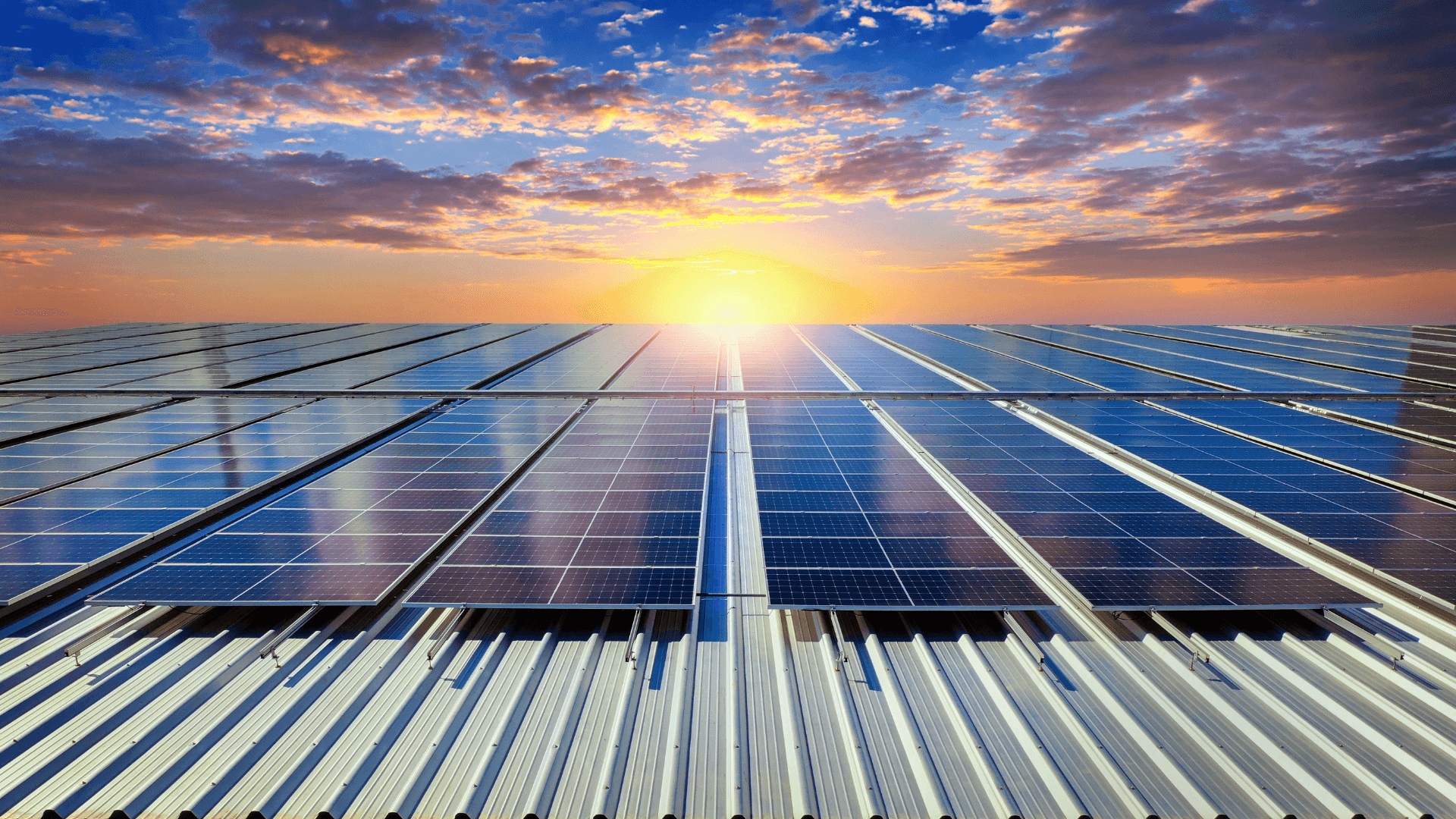
Solar Revolution
Can We Afford to Ignore Solar Any Longer?
The Growing Energy Crisis
The global demand for electricity is increasing at an unprecedented rate. According to the International Energy Agency (IEA), global electricity demand is expected to grow by 2.1% per year on average until 2040. In India, power consumption has surged due to rapid urbanization and industrialization, placing immense pressure on conventional energy sources.
However, the dependency on fossil fuels for electricity generation has led to rising electricity costs and environmental degradation. The average commercial electricity tariff in India has increased by over 8% in the last five years, making energy expenses a significant burden for businesses. Residential electricity bills have also soared, especially in urban areas where high consumption levels attract steep charges.
The Challenges in Conventional Energy
- High Electricity Costs: Both residential consumers and industries face increasing electricity tariffs, affecting household budgets and business profitability.
- Power Outages and Reliability Issues: Many regions still experience frequent power cuts due to overburdened grids and inadequate infrastructure.
- Dependence on Fossil Fuels: India still relies heavily on coal for power generation, which contributes to air pollution and carbon emissions.
- Government Regulations and Carbon Emissions: With global climate commitments, businesses are under pressure to reduce their carbon footprint and adopt cleaner energy solutions.

Solar Energy: A Game Changer
The transition to solar energy is addressing these issues head-on. With advancements in technology and government initiatives like the PM Surya Ghar Muft Bijli Yojana, solar energy is becoming more accessible and affordable for both homeowners and businesses.
- Cost Savings: By switching to solar, residential and commercial consumers can cut their electricity bills by up to 80%. Solar panels have a payback period of 4-5 years, after which they provide free electricity for decades.
- Energy Independence: Solar allows homeowners and businesses to generate their own electricity, reducing dependence on grid power and mitigating the impact of power outages.
- Eco-Friendly and Sustainable: Solar power significantly reduces carbon emissions, helping businesses comply with sustainability goals and environmental regulations.
- Government Incentives: The Indian government provides subsidies, net metering benefits, and tax incentives for solar installations, making it a viable investment.
- Enhanced Business Efficiency: Companies that adopt solar energy can lower operational costs, improve energy security, and enhance their brand image as environmentally responsible organizations.
The Future of Solar Adoption
With India aiming to achieve 500 GW of renewable energy capacity by 2030, solar energy is set to play a crucial role in meeting this target. Residential and commercial sectors adopting solar will not only benefit financially but will also contribute to a sustainable future.
Now is the time to embrace solar energy – a step towards energy independence, cost savings, and a cleaner environment. Whether for a home or a business, solar is no longer an option; it is a necessity.
Business Inquiries
Interested in Krivi, our products or services?
Fill in the form and we’ll reach out soon.